IT'S CHRISTMAS
We intend to have a fun, Christmas themed session.
Having reviewed the course during session 8 we will take part in a Christmas webquest & questionnaire. We will also partake of some traditional Christmas fayre during our break in a cultural finale to this course.
As a bit of inspiration to get our discussion underway & provide some background into the Christmas festivities we take for granted, please click on the Christmas Webquest website on the right of this blog in the list of useful websites. It contains material developed in a Junior School, but which is relevant to anyone wishing to research the religious & cultural aspects of Christmas.
Some questions to generate debate:
Is the meaning of Christmas still relevant in today's society in the UK? What has changed?
Why do we think differently about religious festivals such as Christmas today?
Who does not celebrate Christmas & why?
Christmas has become a commercial event. Is Christmas important to the economy & trade?
The best form of learning, is learning through thinking, reasoning & analysing. If you are curious, you will learn.
Thursday, 5 December 2013
Session 8 - 5th December 2013
Review of the course:
We are actually doing this review of the course one week early, because the 9th session next week will be the last session of this course & we want a fun day next week in preparation for Christmas.
We started the session by reviewing our blog & reminding ourselves of the topics we have covered since week 1.
We read the quotes under the Blog Title:
- "The best form of learning, is learning through thinking, reasoning & analysing".
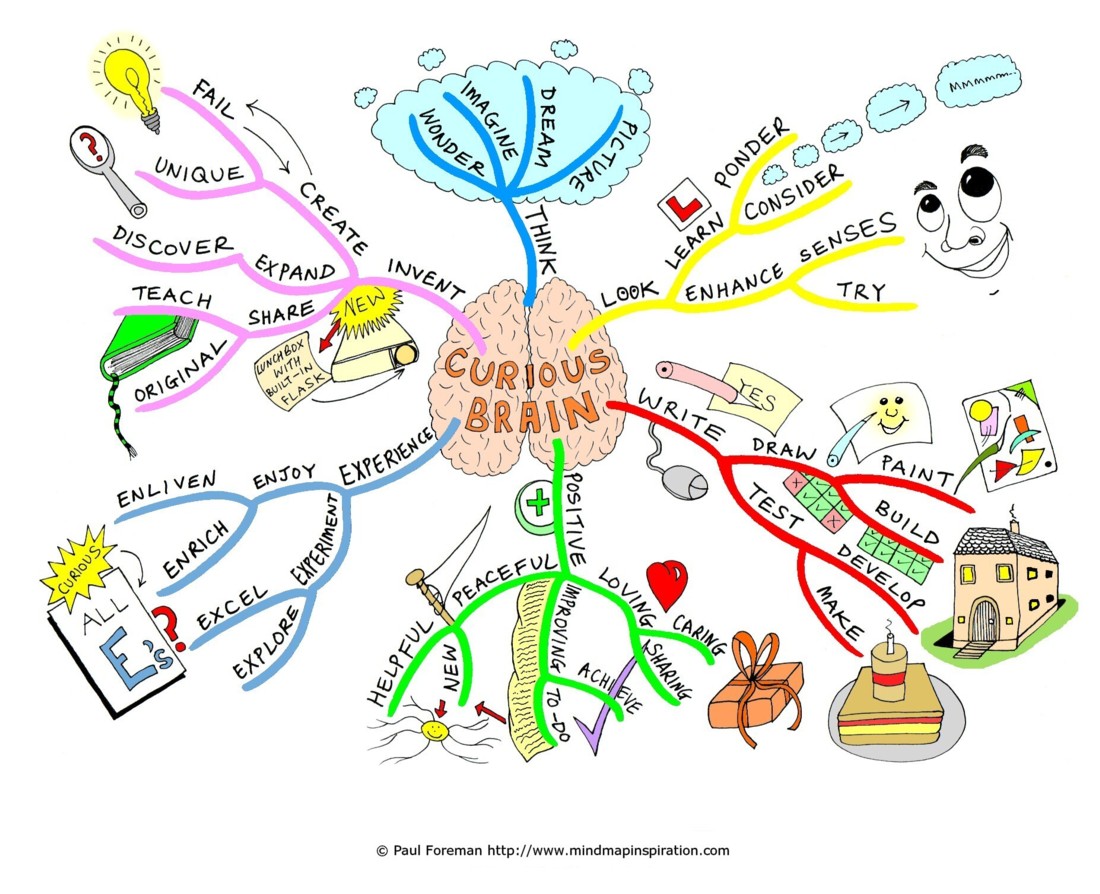
The image above appears to capture this quote in an informative manner.
We think this is where our course does meet the WEA objective of using education for a social purpose. Our group is one where students need appropriate support to carry out tasks & to stay 'on task'. However, everyone has a voice & everyone has their own opinions. By using research & dialogue as the tools of learning, every student can make their personal contribution, prompted & encouraged by the tutor. We can explore opinions & feelings, reach agreement or agree to differ. The difference is, if research is carried out thoroughly, everyone is that much more enlightened & the reasons & decisions are empirical (based on evidence).
- "If you are curious, you will learn."
Much of our course involves asking questions, exchanging opinions & finding out a little bit more information on a topic, whether we feel we know about it or not. Curiosity is the key to opening our minds & becoming better & more critical thinkers.
These quotes appear to capture in two short phrases, exactly what we are trying to do by changing the focus of our learning from computer skills to using computers for research & discussion. In essence, we are now using our education for a social purpose. This is currently the focus of WEA education.
We are a complex needs group where discussion is one of our main strengths. When asked 'What is the meaning of the word 'curious', Dieter replied in a flash, "it means using your mind".
He is right of course. The whole point of doing research is to expand the mind, to find information, to discuss our findings, the rights & wrongs, the advantages & disadvantages. To share our views & debate the topic. This group has grown enormously & the WEA Group is using technology to its advantage to assist in our research of a variety of topics that we have agreed to study.
We did a brief review of each session up to last week, then we decided to expand a little on the Football theme in the light of recent developments with the clubs we follow, Doncaster Rovers & Rotherham United.
Football continued...
Rotherham United are red hot at the moment, playing some of their best football & achieving some remarkable results. During their latest game they won by 4 goals to 1. They are rising up the League 1 table & if they continue this trend they could be in line for promotion to the Championship. If that happens, they could be playing against Doncaster Rovers in the forthcoming football season.
Doncaster Rovers have also turned around their fortunes with some significant wins & draws that have seen them rise almost to mid-table from the very bottom.
We used the hyperlinks to useful websites to view the BBC football web pages & to enable us to discuss the information we found there. We looked at the league tables & the positions of Rovers & United. We read the match reports & studied the game statistics. We found the names of goals corners & the timescale of their scores. We also looked at the match analysis for ball possession, target shots, fouls etc. we discussed the red & yellow cards used by the referee & how they came to be used to assist players & fans alike to understand significant moments & the resulting actions in a game.
Christmas
After break we finished with an online activity on the theme of Christmas. We looked at a variety of e-cards that can be sent to anyone with an email address. These are animated cards that include music & instructions to complete the greetings & send the cards.
Shaun demonstrated his computer skill with windows. He knew how to maximise the screen & he shared his knowledge & skill with everyone.
Today was a busy, informative & fun filled session.
We are actually doing this review of the course one week early, because the 9th session next week will be the last session of this course & we want a fun day next week in preparation for Christmas.
We started the session by reviewing our blog & reminding ourselves of the topics we have covered since week 1.
We read the quotes under the Blog Title:
- "The best form of learning, is learning through thinking, reasoning & analysing".
The image above appears to capture this quote in an informative manner.
We think this is where our course does meet the WEA objective of using education for a social purpose. Our group is one where students need appropriate support to carry out tasks & to stay 'on task'. However, everyone has a voice & everyone has their own opinions. By using research & dialogue as the tools of learning, every student can make their personal contribution, prompted & encouraged by the tutor. We can explore opinions & feelings, reach agreement or agree to differ. The difference is, if research is carried out thoroughly, everyone is that much more enlightened & the reasons & decisions are empirical (based on evidence).
- "If you are curious, you will learn."
Much of our course involves asking questions, exchanging opinions & finding out a little bit more information on a topic, whether we feel we know about it or not. Curiosity is the key to opening our minds & becoming better & more critical thinkers.
These quotes appear to capture in two short phrases, exactly what we are trying to do by changing the focus of our learning from computer skills to using computers for research & discussion. In essence, we are now using our education for a social purpose. This is currently the focus of WEA education.
We are a complex needs group where discussion is one of our main strengths. When asked 'What is the meaning of the word 'curious', Dieter replied in a flash, "it means using your mind".
He is right of course. The whole point of doing research is to expand the mind, to find information, to discuss our findings, the rights & wrongs, the advantages & disadvantages. To share our views & debate the topic. This group has grown enormously & the WEA Group is using technology to its advantage to assist in our research of a variety of topics that we have agreed to study.
We did a brief review of each session up to last week, then we decided to expand a little on the Football theme in the light of recent developments with the clubs we follow, Doncaster Rovers & Rotherham United.
Football continued...
Rotherham United are red hot at the moment, playing some of their best football & achieving some remarkable results. During their latest game they won by 4 goals to 1. They are rising up the League 1 table & if they continue this trend they could be in line for promotion to the Championship. If that happens, they could be playing against Doncaster Rovers in the forthcoming football season.
Doncaster Rovers have also turned around their fortunes with some significant wins & draws that have seen them rise almost to mid-table from the very bottom.
We used the hyperlinks to useful websites to view the BBC football web pages & to enable us to discuss the information we found there. We looked at the league tables & the positions of Rovers & United. We read the match reports & studied the game statistics. We found the names of goals corners & the timescale of their scores. We also looked at the match analysis for ball possession, target shots, fouls etc. we discussed the red & yellow cards used by the referee & how they came to be used to assist players & fans alike to understand significant moments & the resulting actions in a game.
Christmas
After break we finished with an online activity on the theme of Christmas. We looked at a variety of e-cards that can be sent to anyone with an email address. These are animated cards that include music & instructions to complete the greetings & send the cards.
Shaun demonstrated his computer skill with windows. He knew how to maximise the screen & he shared his knowledge & skill with everyone.
Today was a busy, informative & fun filled session.
Session 7 - Football, Recent successes and failures. Also Food miles continued...
FOOTBALL
This week was a mixed bag of football results for South Yorkshire.
As it was a hot topic and the students wanted to discuss it we agreed to discuss the recent events in the first part of the session.
Doncaster Rovers had a disastrous result when they returned to Charlton for the replay of a previously abandoned match. During the match which was abandoned because of heavy rain and a waterlogged pitch. Doncaster Rovers players helped to clear the pitch of water yet the referee still decided to abandon the game. At that stage and Doncaster Rovers were in the lead by 3 goals to 1.
During the latest match the rematch, Doncaster Rovers lost the game to Charlton and the new result stands as the official result. This seemed very unfair to Doncaster Rovers footballers and fans.
We discussed the implications of this result and decision and we looked at the league table to see what the impact of the decision was on the position of the Rovers within the championship league.
In contrast Rotherham United have a fantastic result of scoring three goals within 15 minutes in the second half of their game. They are in top form and are near the top of League 1 on the table.
We looked at the BBC football website and we examined the tables and the positions of each of the clubs. We read the match reports and we discussed the positive and negative aspects of these reports.
Whilst examining the match statistics we took note of the events in the running commentary, such as the number of fouls & their severity, the decision of the referee & whether he took any action by booking a player with the card system (Yellow card for a booking & Red card for sending off).
We did discuss the way that sanctions are applied with the card system & why that system is in use.
It was introduced to standardise the gestures & make it clear to players & fans alike what decision was being made. Players & fans of all nationalities know what has happened following a referee's decision to take action following certain types of behaviour.
Please see our links to the football websites on the right hand side of this blog.
FOOD MILES
We returned to food miles and the food miles calculator we had found on the previous session. We did some calculations for foods such as bananas and oranges which come from different parts of the world. We discussed the transport that may have been used and the speed that the food would have to arrive in the UK in order not to perish on their journey.
We looked up the definition of food miles in order to increase our understanding of the term.
We discussed the recent program on TV where a farmer and a chef are working together to produce food locally and get it to the table with the minimum number of food miles possible.
During that program, they had great success in producing a new type of wheat which is not normally produced in the UK. This wheat was then harvested and milled to become a flour for pasta. The chef then made the pasta on the home pasta machine and included it as one of the main ingredients in a dish for local people who were invited to a dinner function. In a later program however, the farm to table experiment didn't go very well with rice which failed. This goes to show that there is an awful lot of research and investment in food and equipment to harvest sufficient food to feed the world.
This week was a mixed bag of football results for South Yorkshire.
As it was a hot topic and the students wanted to discuss it we agreed to discuss the recent events in the first part of the session.
Doncaster Rovers had a disastrous result when they returned to Charlton for the replay of a previously abandoned match. During the match which was abandoned because of heavy rain and a waterlogged pitch. Doncaster Rovers players helped to clear the pitch of water yet the referee still decided to abandon the game. At that stage and Doncaster Rovers were in the lead by 3 goals to 1.
During the latest match the rematch, Doncaster Rovers lost the game to Charlton and the new result stands as the official result. This seemed very unfair to Doncaster Rovers footballers and fans.
We discussed the implications of this result and decision and we looked at the league table to see what the impact of the decision was on the position of the Rovers within the championship league.
In contrast Rotherham United have a fantastic result of scoring three goals within 15 minutes in the second half of their game. They are in top form and are near the top of League 1 on the table.
We looked at the BBC football website and we examined the tables and the positions of each of the clubs. We read the match reports and we discussed the positive and negative aspects of these reports.
Whilst examining the match statistics we took note of the events in the running commentary, such as the number of fouls & their severity, the decision of the referee & whether he took any action by booking a player with the card system (Yellow card for a booking & Red card for sending off).
We did discuss the way that sanctions are applied with the card system & why that system is in use.
It was introduced to standardise the gestures & make it clear to players & fans alike what decision was being made. Players & fans of all nationalities know what has happened following a referee's decision to take action following certain types of behaviour.
Please see our links to the football websites on the right hand side of this blog.
FOOD MILES
We returned to food miles and the food miles calculator we had found on the previous session. We did some calculations for foods such as bananas and oranges which come from different parts of the world. We discussed the transport that may have been used and the speed that the food would have to arrive in the UK in order not to perish on their journey.
We looked up the definition of food miles in order to increase our understanding of the term.
We discussed the recent program on TV where a farmer and a chef are working together to produce food locally and get it to the table with the minimum number of food miles possible.
During that program, they had great success in producing a new type of wheat which is not normally produced in the UK. This wheat was then harvested and milled to become a flour for pasta. The chef then made the pasta on the home pasta machine and included it as one of the main ingredients in a dish for local people who were invited to a dinner function. In a later program however, the farm to table experiment didn't go very well with rice which failed. This goes to show that there is an awful lot of research and investment in food and equipment to harvest sufficient food to feed the world.
Session 6 - 21st November 2013
FOOD MILES & PLACES OF ORIGIN
How far has your food travelled?
How much extra do you pay for food that is available year round but 'out of season'?
We now have access to a wide variety of foods that we never previously had. This is in due partly to advances in methods of transport and speed, but also in science and production of food. The image above gives some insight into foods of the world.
Firstly during this session we discussed a variety of different foreign food outlets that we have in our country today.
For example we have:
Chinese restaurants and takeaways, Indian restaurants and takeaways, Thai restaurants, Mexican restaurants, American food outlets, Italian pizza shops, German supermarkets, Turkish restaurants, Polish bars & delicatessens and many more.
Each of the students named one of their favourite foreign dishes such as:
Chinese chow mein.
Indian curry dishes. Note the Indians don't call it curry. That is an English word that we use to describe a variety of Indian dishes.
Mexican Chilli con Carne.
Italian pizza and pasta dishes.
French frogs legs and snails.
German sausage.
Greek salad and moussaka.
Caribbean spicy chicken.
American burger.
We then considered and discussed how many miles this food has to travel from its production to our tables. We found an online food miles calculator and we agreed to continue this topic to do further research next week.
Please see the food miles calculator in the list of useful websites on the right hand side of this blog.
How far has your food travelled?
How much extra do you pay for food that is available year round but 'out of season'?
We now have access to a wide variety of foods that we never previously had. This is in due partly to advances in methods of transport and speed, but also in science and production of food. The image above gives some insight into foods of the world.
Firstly during this session we discussed a variety of different foreign food outlets that we have in our country today.
For example we have:
Chinese restaurants and takeaways, Indian restaurants and takeaways, Thai restaurants, Mexican restaurants, American food outlets, Italian pizza shops, German supermarkets, Turkish restaurants, Polish bars & delicatessens and many more.
Each of the students named one of their favourite foreign dishes such as:
Chinese chow mein.
Indian curry dishes. Note the Indians don't call it curry. That is an English word that we use to describe a variety of Indian dishes.
Mexican Chilli con Carne.
Italian pizza and pasta dishes.
French frogs legs and snails.
German sausage.
Greek salad and moussaka.
Caribbean spicy chicken.
American burger.
We then considered and discussed how many miles this food has to travel from its production to our tables. We found an online food miles calculator and we agreed to continue this topic to do further research next week.
Please see the food miles calculator in the list of useful websites on the right hand side of this blog.
Session 5 - 14th November 2013
CULTURE - Britain, The Caribbean & Greece
During this session Lorna shared her experiences of British & Caribbean culture whilst Leanda shared her experiences of Greek culture.
We are a diverse group & some members have their origin in different parts of the world.
We decided to start our research with what we could find on Wikipedia about the immigration of workers from the Caribbean due to labour shortages in the UK.
We found out that the first generation of Caribbean immigrants came from Jamaica and the surrounding Caribbean Islands on the ship MV Empire Windrush.
About 450 people came to the UK.
We discussed the reasons for the need for immigration and the implications that it has today with people from all over the world now integrated into the UK.
Please see further information about the Windrush in our list of useful websites on the right of this blog. CULTURE - Jamaica - WINDRUSH
We thought about & discussed the variety of nationalities we have around us in Doncaster & how they have integrated into society. There are still areas where some nationalities tend to settle as communities for mutual support.
We discussed the aspects of the Caribbean culture that also came with this first wave of immigration, including foods and recipes we haven't had in this country before.
Lorna told us that one of her favourite recipes was Rice and Peas (which are in fact kidney beans)
and another was Salt fish and Ackee.
These dishes and other foods from around the world are now much more popular in this country. They are more widely available because of the speed and efficiency of modern transport methods and modern agricultural methods of production.
Leanda described some Greek dishes including moussaka in which aubergines are a key ingredient.
Because she is a second-generation descendant from Greece Leanda is able to speak Greek language to some extent but has limitations in terms of speed of speech. She explained that she sometimes has to slow her mum down so that she can fully understand what she's saying in Greek.
Lorna however, can speak different dialects of Jamaican including patois.
Jamaican Patois, known locally as Patois (Patwa or Patwah) or Jamaican, and calledJamaican Creole by linguists, is an English-lexified creole language with West Africaninfluences spoken primarily in Jamaica and the Jamaican diaspora. It is not to be confused with Jamaican English nor with the Rastafarian use of English. The language developed in the 17th century, when slaves from West and Central Africa were exposed to, learned and nativized the vernacular and dialectal forms of English spoken by their masters: British English, Scots and Hiberno-English.
We looked at some images and recipes including that of salt fish and ackee and we found it interesting that the plant is unusual. It is a fruit or vegetable that we don't see in this country and is mainly imported in tins.
We felt that we had had a good session looking at & discussing different aspects of culture and the way that different cultures from around the world affect our own culture.
During this session Lorna shared her experiences of British & Caribbean culture whilst Leanda shared her experiences of Greek culture.
We are a diverse group & some members have their origin in different parts of the world.
We decided to start our research with what we could find on Wikipedia about the immigration of workers from the Caribbean due to labour shortages in the UK.
We found out that the first generation of Caribbean immigrants came from Jamaica and the surrounding Caribbean Islands on the ship MV Empire Windrush.
About 450 people came to the UK.
We discussed the reasons for the need for immigration and the implications that it has today with people from all over the world now integrated into the UK.
Please see further information about the Windrush in our list of useful websites on the right of this blog. CULTURE - Jamaica - WINDRUSH
We thought about & discussed the variety of nationalities we have around us in Doncaster & how they have integrated into society. There are still areas where some nationalities tend to settle as communities for mutual support.
We discussed the aspects of the Caribbean culture that also came with this first wave of immigration, including foods and recipes we haven't had in this country before.
Lorna told us that one of her favourite recipes was Rice and Peas (which are in fact kidney beans)
| Jamaican Rice & Peas |
| Saltfish & Ackee |
Leanda described some Greek dishes including moussaka in which aubergines are a key ingredient.
| Moussaka |
Lorna however, can speak different dialects of Jamaican including patois.
Jamaican Patois, known locally as Patois (Patwa or Patwah) or Jamaican, and calledJamaican Creole by linguists, is an English-lexified creole language with West Africaninfluences spoken primarily in Jamaica and the Jamaican diaspora. It is not to be confused with Jamaican English nor with the Rastafarian use of English. The language developed in the 17th century, when slaves from West and Central Africa were exposed to, learned and nativized the vernacular and dialectal forms of English spoken by their masters: British English, Scots and Hiberno-English.
We looked at some images and recipes including that of salt fish and ackee and we found it interesting that the plant is unusual. It is a fruit or vegetable that we don't see in this country and is mainly imported in tins.
We felt that we had had a good session looking at & discussing different aspects of culture and the way that different cultures from around the world affect our own culture.
Session 4 - 7th November 2013
MUSIC:
During this session we listened to a wide variety of music genres, based upon our discussion & agreement during session 1.
Every student had a suggestion and the tutor and one or two other students brought in speakers and headphones to be able to listen to the music from the library computers.
We discussed the social and cultural purposes of the music we were listening to.
We also looked at the background of some of the bands and individual artists using a variety of websites.
There are some music website links on the right hand side of the blog under the heading Useful Websites.
This was an enjoyable practical session where we mainly listened to the music that we all like. We also further developed our ICT skills as we practised using the controls for video & audio media players, such as play and pause, full screen and close, back button & the procedure to select alternative videos.
During this session we listened to a wide variety of music genres, based upon our discussion & agreement during session 1.
Every student had a suggestion and the tutor and one or two other students brought in speakers and headphones to be able to listen to the music from the library computers.
We discussed the social and cultural purposes of the music we were listening to.
We also looked at the background of some of the bands and individual artists using a variety of websites.
There are some music website links on the right hand side of the blog under the heading Useful Websites.
This was an enjoyable practical session where we mainly listened to the music that we all like. We also further developed our ICT skills as we practised using the controls for video & audio media players, such as play and pause, full screen and close, back button & the procedure to select alternative videos.
Sunday, 20 October 2013
Session 3 - 24 October 2013
In preparation for this session we agreed that we would either bring our own headphones, or the tutor would obtain some speakers so that we can listen to music from our computers.
Also a number of MUSIC website links have been placed in the 'useful websites' section of this blog on the right of the page.
These should allow us to look at the history of musicians, singers & bands & also to sample their music.
During this session we looked at the Rock Band Kings of Leon.
David is particularly interested in pop music and a variety of heavy rock and rock pop bands. He wanted to share his love and knowledge of this type of music and the bands.
We logged on to the computers and we decided to investigate the band, its origins, its members, it's history and it's albums and singles.
Wikipedia was a good reference point and it provided us with plenty of opportunity for discussion and investigation.
Unfortunately we could not listen to any of their music during this session and the library computers would not load the bands own website.
This was essentially a fact-finding session.
We were able to look at images of the band and find out where their tours were in the past and currently.
Also a number of MUSIC website links have been placed in the 'useful websites' section of this blog on the right of the page.
These should allow us to look at the history of musicians, singers & bands & also to sample their music.
During this session we looked at the Rock Band Kings of Leon.
David is particularly interested in pop music and a variety of heavy rock and rock pop bands. He wanted to share his love and knowledge of this type of music and the bands.
We logged on to the computers and we decided to investigate the band, its origins, its members, it's history and it's albums and singles.
Wikipedia was a good reference point and it provided us with plenty of opportunity for discussion and investigation.
Unfortunately we could not listen to any of their music during this session and the library computers would not load the bands own website.
This was essentially a fact-finding session.
We were able to look at images of the band and find out where their tours were in the past and currently.
Kings of Leon Band
Kings of Leon is an American rock band that formed in Nashville, Tennessee in 1999. The band is composed of brothers Anthony Caleb Followill, Ivan Nathan Followill and Michael Jared Followill, with their cousin Cameron Matthew Followill. Wikipedia
Session 2 - 17 October 2013
We started today's session by discussing what we had negotiated about topics & we agreed to let Mervyn start with the topic that he had chosen. Travel.
Mervyn told us about his recent coach holiday to Spain.
At 05.30am he left Doncaster interchange for a 2 day trip to the Costa Brava.
Traveling by coach to the EuroTunnel & then onwards by coach, he stopped for an overnight rest at a hotel in France. During the holiday he had some excursions to interesting Spanish Cities including Barcelona.
Once we were logged onto the computers we entered the web address for our BLOG in the URL (web address) field at the top of the screen. We also placed GOOGLE into our FAVOURITES for ease of browsing & searching for information. Our web address is:
www.weagroup.blogspot.com
We looked at a website for tourist information about Barcelona & we found some interesting picture galleries. (See the Barcelona link on the right of this blog in the Useful Websites section).
We discussed the Barcelona Football Club Stadium & it's 110 thousand capacity. This we compared with local stadia that we know well & visit occasionally in Doncaster & Rotherham. Their capacity is 15 thousand & 12 thousand. We tried to imagine the differences in the crowd sizes.
Whilst looking at the Barcelona Football Club Stadium website, we also found a paragraph that mentioned a tour of the stadium & it's museum. We tried to imagine what it would be like to stand in the middle of the pitch in an empty stadium & then to think what it would be like from the players' perspective as compared with that of the fans in the seats. We looked at photo galleries of the museum artefacts & found:
- Trophies & medals
- Photos of players, managers & past presidents
- Football strips in Barcelona FC colours (Red & Blue)
- A roll of honour
- Articles about the History of Barcelona FC
We discussed the different methods of transport that Mervyn could have chosen to use instead of coach travel. These included:
- Car
- Train
- Ferry
- Plane
During this session we followed hyperlinks to other web pages - this is known as 'browsing' or 'surfing the web'. We played some video clips & we practiced using video controls to view the video in Full Screen mode & again in Thumbnail mode.
We had an interesting session & everyone contributed to the discussion that followed our research.
Mervyn told us about his recent coach holiday to Spain.
At 05.30am he left Doncaster interchange for a 2 day trip to the Costa Brava.
Traveling by coach to the EuroTunnel & then onwards by coach, he stopped for an overnight rest at a hotel in France. During the holiday he had some excursions to interesting Spanish Cities including Barcelona.
Once we were logged onto the computers we entered the web address for our BLOG in the URL (web address) field at the top of the screen. We also placed GOOGLE into our FAVOURITES for ease of browsing & searching for information. Our web address is:
www.weagroup.blogspot.com
We looked at a website for tourist information about Barcelona & we found some interesting picture galleries. (See the Barcelona link on the right of this blog in the Useful Websites section).
We discussed the Barcelona Football Club Stadium & it's 110 thousand capacity. This we compared with local stadia that we know well & visit occasionally in Doncaster & Rotherham. Their capacity is 15 thousand & 12 thousand. We tried to imagine the differences in the crowd sizes.
Whilst looking at the Barcelona Football Club Stadium website, we also found a paragraph that mentioned a tour of the stadium & it's museum. We tried to imagine what it would be like to stand in the middle of the pitch in an empty stadium & then to think what it would be like from the players' perspective as compared with that of the fans in the seats. We looked at photo galleries of the museum artefacts & found:
- Trophies & medals
- Photos of players, managers & past presidents
- Football strips in Barcelona FC colours (Red & Blue)
- A roll of honour
- Articles about the History of Barcelona FC
We discussed the different methods of transport that Mervyn could have chosen to use instead of coach travel. These included:
- Car
- Train
- Ferry
- Plane
During this session we followed hyperlinks to other web pages - this is known as 'browsing' or 'surfing the web'. We played some video clips & we practiced using video controls to view the video in Full Screen mode & again in Thumbnail mode.
We had an interesting session & everyone contributed to the discussion that followed our research.
Friday, 11 October 2013
TRAVEL
TRAVEL is a topic suggested by Mervyn. We all travel to a variety of places, be they local, national or International. Mervyn has recently been on a coach holiday to Spain & he would like us to dedicate a session to researching methods of travel & interesting locations.
Session 1 - 10 October 2013
Today we met as the newly named WEAgroup at our brand new venue, Bentley Library.
Ben was the library staff member who welcomed us & introduced us to the facilities we have available in the library.
Our induction included a discussion about the computer suite & health & safety when using computers.
We saw where the toilets & kitchen & fire exits were situated.
We did our course paperwork - enrolment forms & register.
We noted our new login details & we logged onto the computers.
We negotiated the topics to study & our tutor explained that the course has a new title -
USING COMPUTERS FOR RESEARCH & DISCUSSION
This should give us the freedom to look deeper into the topics & also to find out how each of us perceives different aspects of the topics & to examine the social purpose behind the topics.
For example: if our topic was transport, we may have differing opinions on the best form of transport for our individual needs.
Cycling, for example has benefits in terms of health & well being as well as in cost savings & elimination of pollution. It is a sustainable form of transport but it also has disadvantages. Some motorists have a negative attitude towards cyclists & their behaviour as road users. They may be resentful that cyclists don't pay 'road tax', even though no one pays road tax, it is actually vehicle tax, based on emissions & the capacity to pollute. We hope to generate critical thinking through debate by introducing some controversial topics, such as discussing costs & the effects & impact of pollution on health & on the environment.
Today, having logged onto the computers, we entered the web address of this BLOG in the URL bar & once the page had loaded, we discussed the introduction & the topics which are already on the BLOG.
When we discussed Music, we mentioned our preferences for different genres. Some choices were:
Bob likes listening to Trax FM & the variety of music on the radio station.
Dieter likes Neil Diamond & in particular his favourite song is Sweet Caroline.
Mervyn likes music from the 60's & 70's.
David wants to look into the group Kings of Leon, their new album & their history & background.
Scott said he likes all types of music
Kevin likes ABBA & music for easy listening.
Angela mentioned a music genre that's one else had thought of - Folk music.
Our first session was quite productive & our time at the library passed very quickly.
Ben was the library staff member who welcomed us & introduced us to the facilities we have available in the library.
Our induction included a discussion about the computer suite & health & safety when using computers.
We saw where the toilets & kitchen & fire exits were situated.
We did our course paperwork - enrolment forms & register.
We noted our new login details & we logged onto the computers.
We negotiated the topics to study & our tutor explained that the course has a new title -
USING COMPUTERS FOR RESEARCH & DISCUSSION
This should give us the freedom to look deeper into the topics & also to find out how each of us perceives different aspects of the topics & to examine the social purpose behind the topics.
For example: if our topic was transport, we may have differing opinions on the best form of transport for our individual needs.
Cycling, for example has benefits in terms of health & well being as well as in cost savings & elimination of pollution. It is a sustainable form of transport but it also has disadvantages. Some motorists have a negative attitude towards cyclists & their behaviour as road users. They may be resentful that cyclists don't pay 'road tax', even though no one pays road tax, it is actually vehicle tax, based on emissions & the capacity to pollute. We hope to generate critical thinking through debate by introducing some controversial topics, such as discussing costs & the effects & impact of pollution on health & on the environment.
Today, having logged onto the computers, we entered the web address of this BLOG in the URL bar & once the page had loaded, we discussed the introduction & the topics which are already on the BLOG.
When we discussed Music, we mentioned our preferences for different genres. Some choices were:
Bob likes listening to Trax FM & the variety of music on the radio station.
Dieter likes Neil Diamond & in particular his favourite song is Sweet Caroline.
Mervyn likes music from the 60's & 70's.
David wants to look into the group Kings of Leon, their new album & their history & background.
Scott said he likes all types of music
Kevin likes ABBA & music for easy listening.
Angela mentioned a music genre that's one else had thought of - Folk music.
Our first session was quite productive & our time at the library passed very quickly.
Monday, 19 August 2013
GARDENING
Gardening can be a very therapeutic pastime.
It can be done both outdoors & inside.
For the past few months Peter has had his own indoor gardening project where he has been growing tomato plants. These are now producing some fine fruits as a result of his efforts & Peter reports having used some already, sharing them with his fellow residents & carers in salads at home.
Tomatoes can be used as part of a healthy diet & lifestyle. They are a very versatile 'fruit' (did you know that?) that can be cooked or served raw in a wide variety of methods & meals.
This page will chart the progress of Peter's indoor gardening project & any others that may arise from his encouragement.
To put this into the context of education with a social purpose, gardening is the sort of activity that has been used to bring communities together; to get people communicating with each other; to resolve conflict within communities; to transform people's health & change lives for the better; to relieve stress; to engage children & adults in education about nature & to provide employment.
The power of gardening is immense.
It can be done both outdoors & inside.
For the past few months Peter has had his own indoor gardening project where he has been growing tomato plants. These are now producing some fine fruits as a result of his efforts & Peter reports having used some already, sharing them with his fellow residents & carers in salads at home.
Tomatoes can be used as part of a healthy diet & lifestyle. They are a very versatile 'fruit' (did you know that?) that can be cooked or served raw in a wide variety of methods & meals.
This page will chart the progress of Peter's indoor gardening project & any others that may arise from his encouragement.
To put this into the context of education with a social purpose, gardening is the sort of activity that has been used to bring communities together; to get people communicating with each other; to resolve conflict within communities; to transform people's health & change lives for the better; to relieve stress; to engage children & adults in education about nature & to provide employment.
The power of gardening is immense.
Tuesday, 6 August 2013
FOOTBALL
NOTE: There are links to other football related websites in the right-hand column of this blog. Click on a link to learn the latest news & to discover more topics to discuss.
Social purpose - Questions for discussion:
1. What is the function of the Police at a football match?
Background & things to consider when answering this question:
Having driven by New York Stadium on the evening of 6 August 2013, several police vans & officers were seen outside the stadium. Is this really necessary & why? Is it proportionate? 2. Could club stewards have done the job equally as well?
Background & things to consider when answering this question:
Which team were Rotherham United playing against? We're there any risks to the general public or the fabric of the town (businesses & property)?
Results from August 2013
Rotherham United have got off to a great start in August with the following results:
League Cup game 6 Aug WIN Rotherham 2 - 1 Sheffield Wednesday
League 1 game 3 Aug DRAW Rotherham 3 - 3 Crew
After securing an instant return to the Championship last season, Doncaster's start to the campaign suffered an early setback in their first League game of the season on 3 August with a 3-1 defeat by Blackpool. Fans remain loyal to Rovers though, reporting that they were unlucky in the last few minutes & that otherwise it had been an entertaining game.
They fared better in the League Cup game on 6 August with a WIN against Rochdale.
Things can only get better for Doncaster Rovers :-)
Several members of our group have an interest in football.
We have some season ticket holders for Rotherham United.
We have some fans of Doncaster Rovers.
Football provides a lot of entertainment in South Yorkshire.
Football has a colourful & varied history. See our links to some football related websites.
Saturday, 27 July 2013
CULTURE
Our own home town of Doncaster is beginning to look significantly different in 2013 because of the developing Civic & Cultural Quarter in the Waterdale area. The area is undergoing a total transformation with the new Civic Offices to replace the old Council House, which is due to be demolished soon (as this blog is being written in August 2013). Visitors to Waterdale will also notice the new Performance Venue called 'Cast' to replace the much loved Civic Theatre & the public open space called 'Sir Nigel Gresley Square' which hints at the Railway Industrial history in Doncaster. A Google search for Doncaster CCQ will reveal the plans & the developing nature of the Civic & Cultural Quarter which is transforming Doncaster town centre.
Culture has many different aspects & also different identities associated with it. The word is a modern concept with multiple meanings. We tend to think of culture as the behaviour of people of different ethnic origin; the food they eat; the customs & practices they adopt; the way they participate in society; their ceremonies, religions & events. Culture is an area where we can observe change over time & the changes can have implications locally, nationally or internationally. It is a topic in which we can all find some interesting aspect to study, analyse & synthesise through observation, research & dialogue.
Friday, 26 July 2013
MUSIC
Music in one form or another is enjoyed by everyone.
People in our group have said they like the following music genres:
Heavy metal, Rock, Jazz, Opera, Easy Listening, 60's, 70's, 80's, Contemporary, Classical, Pop, Comedy.
That's not all. There is music that is produced to mark events, political messages, love, sadness & changes in society.
We will look at different aspects of music & it's history & it's impact on various aspects of life.
Look at our previous Blog
Please follow the link below to view our previous Blog.
Also please note our change of name. Our previous group was named after the organisation that learners & carers were associated with. RDaSH is no longer the organisation for whom they are clients or employees, so we have now adopted the name of our learning organisation, the WEA. Our new BLOG name is WEAgroup.
http://rdashgroup.wordpress.com
Also please note our change of name. Our previous group was named after the organisation that learners & carers were associated with. RDaSH is no longer the organisation for whom they are clients or employees, so we have now adopted the name of our learning organisation, the WEA. Our new BLOG name is WEAgroup.
http://rdashgroup.wordpress.com
WEAgroup Introduction
Hello & welcome to our Blog called WEAgroup.
We chose this name because we are a group of adults who learn together with both common and varied interests. We are learning on a computer course with the Workers' Educational Association (WEA). We will develop & improve our computer skills throughout the course.
We will use the Internet & other sources to research a variety of topics & to put them into the context of Education with a Social Purpose.
This is explained by the following quote by S.G. RAYBOULD
"Education which helps students to understand the society in which they live, and to change it in ways which seem to them desirable."
So as a group we will use Internet research & other sources to look at the topics we choose through negotiation, to examine their background, maybe look into their history & find out for ourselves what has changed & what the impact of change has been. We may find it has impacted upon us individually, or as a group, or on society as a whole.
We will have discussions & question & answer sessions where we will be encouraged to think critically & to look into the different aspects of an argument. Effectively we will analyse our topics & put them into the context of social purpose.
Please look in to our Blog occasionally & make comments or suggestions. www.weagroup.blogspot.co.uk
Some of the topics suggested so far have been:
Transport - in particular, public transport in & around Doncaster. We once had a wide variety of public & municipal bus & coach operators & these have dwindled to a few 'survivors' because of changes throughout the history of our town & also through changes implemented by government.
Football - on an international, national & local level. Sport provides entertainment, social gathering, employment & revenue on every level. Some of our group members are football fans, season ticket holders & visitors to local clubs such as Doncaster Rovers & Rotherham United. These clubs now have new stadiums & we will look at the reasons behind this; the impact on the local area, it's economy & the links between the football clubs, schools & the community.
Gardening - therapeutic & educational. It provides interest in nature, stress relief for some & gentle exercise for others. It also creates jobs & there are some interesting historical & formal gardens to explore within our locality. The origin of plants & their cultural significance is an area we could visit. This could include the cost of getting exotic plants to particular locations, their availability, locally, nationally & internationally, their rarity or collectibility.
Music - the many different genres & the interest shown by individuals & social groups. The influence on society & the history of music.
Culture & Diversity - the traditions & customs in different countries. Changes in society through immigration & integration or through conflict & it's consequences.
Photography - not only taking photographs, but interpreting their meaning; looking at the technology behind photography; the methods used to store retrieve & enhance images; the importance of images in education & teaching & learning styles. For groups such as ours, a visual learning style might be a preferred option, therefore, pictures, video clips & observations may form the basis of many of our lessons. Images make statements & form a visual representation & a history of change.
These are just a few of the topics we may study. We hope this gives a flavour of our WEA courses & this Blog will record our progress throughout our learning journey with the WEA.
PLEASE do look in & offer your comments & valuable feedback.
We chose this name because we are a group of adults who learn together with both common and varied interests. We are learning on a computer course with the Workers' Educational Association (WEA). We will develop & improve our computer skills throughout the course.
We will use the Internet & other sources to research a variety of topics & to put them into the context of Education with a Social Purpose.
This is explained by the following quote by S.G. RAYBOULD
"Education which helps students to understand the society in which they live, and to change it in ways which seem to them desirable."
So as a group we will use Internet research & other sources to look at the topics we choose through negotiation, to examine their background, maybe look into their history & find out for ourselves what has changed & what the impact of change has been. We may find it has impacted upon us individually, or as a group, or on society as a whole.
We will have discussions & question & answer sessions where we will be encouraged to think critically & to look into the different aspects of an argument. Effectively we will analyse our topics & put them into the context of social purpose.
Please look in to our Blog occasionally & make comments or suggestions. www.weagroup.blogspot.co.uk
Some of the topics suggested so far have been:
Transport - in particular, public transport in & around Doncaster. We once had a wide variety of public & municipal bus & coach operators & these have dwindled to a few 'survivors' because of changes throughout the history of our town & also through changes implemented by government.
Football - on an international, national & local level. Sport provides entertainment, social gathering, employment & revenue on every level. Some of our group members are football fans, season ticket holders & visitors to local clubs such as Doncaster Rovers & Rotherham United. These clubs now have new stadiums & we will look at the reasons behind this; the impact on the local area, it's economy & the links between the football clubs, schools & the community.
Gardening - therapeutic & educational. It provides interest in nature, stress relief for some & gentle exercise for others. It also creates jobs & there are some interesting historical & formal gardens to explore within our locality. The origin of plants & their cultural significance is an area we could visit. This could include the cost of getting exotic plants to particular locations, their availability, locally, nationally & internationally, their rarity or collectibility.
Music - the many different genres & the interest shown by individuals & social groups. The influence on society & the history of music.
Culture & Diversity - the traditions & customs in different countries. Changes in society through immigration & integration or through conflict & it's consequences.
Photography - not only taking photographs, but interpreting their meaning; looking at the technology behind photography; the methods used to store retrieve & enhance images; the importance of images in education & teaching & learning styles. For groups such as ours, a visual learning style might be a preferred option, therefore, pictures, video clips & observations may form the basis of many of our lessons. Images make statements & form a visual representation & a history of change.
These are just a few of the topics we may study. We hope this gives a flavour of our WEA courses & this Blog will record our progress throughout our learning journey with the WEA.
PLEASE do look in & offer your comments & valuable feedback.
Subscribe to:
Posts (Atom)